







Search Results for: Kono Style
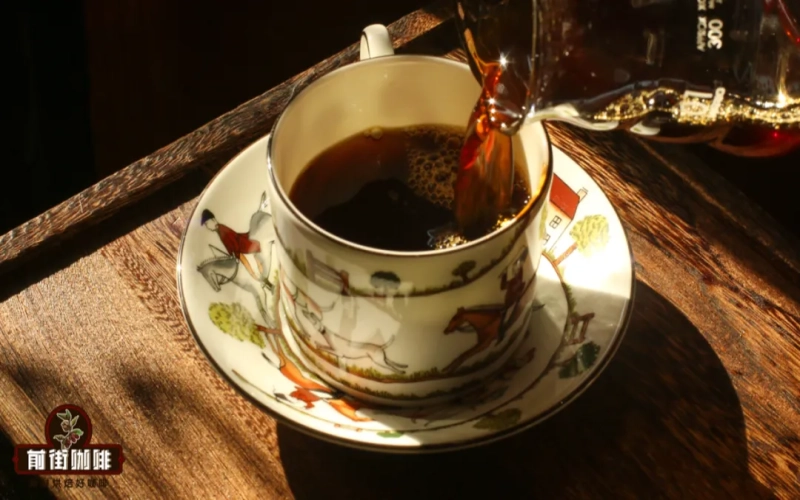
The Complete Kono-Style Drip Method Tutorial: How Japanese-Style Pour-Over Overcomes the Challenge of Extracting Fresh Beans
Freshly roasted coffee beans contain a large amount of carbon dioxide, and brewing them directly often leads to uneven extraction and imbalanced flavor. To address this, the Japanese developed a series of solutions, among which the Kono-style drip method is considered a classic. It uses water droplets instead of a water stream to pre-wet the coffee grounds, waits for sufficient degassing before switching to a stronger flow for extraction, and finally adjusts the concentration through bypass. In this article, Front Street Coffee will use PWN Golden Mandheling as an example to break down in detail the parameter settings and operating steps of this brewing method, helping you brew a rich, balanced, and delicious cup even with fresh beans. [more…]
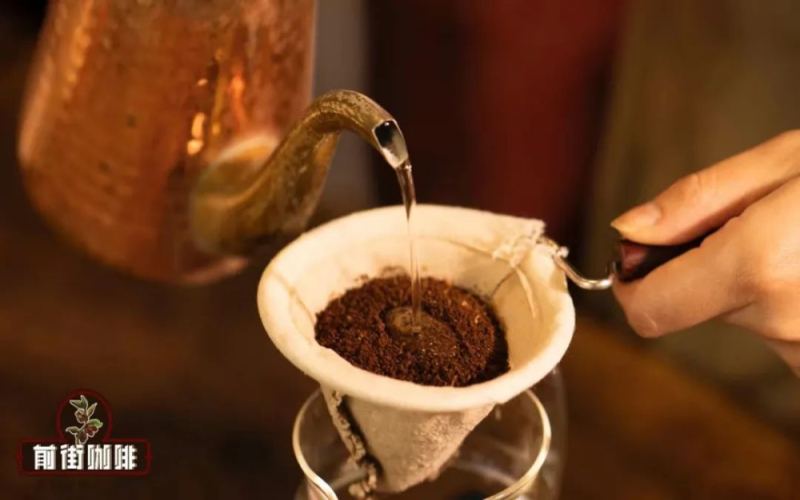
Comparison of the Three Major Japanese Dark Roast Brewing Methods: Principles and Operational Characteristics of Kono Drip, Matsuya-Style, and Volcano Brewing
Deep-roasted coffee beans are known for their rich, mellow bitterness, and the Japanese brewing tradition includes three classic methods designed specifically for such beans: the Kono drip method, the Matsuya-style brewing, and the volcano pour. Though they take different paths, their core goal is the same—to fully unlock the steady, grounded flavors of dark-roasted beans. The Kono method uses drip-style blooming to extend degassing time, the Matsuya style pursues stable extraction through ultra-high pouring and an extra-long bloom, while the volcano pour creates an erupting effect with segmented small-circle pours. All three generally use a higher coffee-to-water ratio, and some require bypass dilution. This article breaks down each method's origins, operating logic, and flavor profile one by one, and explains why these approaches are better suited to dark-roasted beans. [more…]

Japanese-Style Hand-Drip Method Operation Guide: How the Kono Drip Method Brews a Rich, Full-Bodied Coffee Flavor
The drip method, a highly distinctive extraction technique in Japanese-style pour-over, was developed in 1973 by the Kono family, founders of the Kono brand, with the aim of giving coffee a richer, fuller body. This technique involves slowly saturating the coffee grounds with an extremely fine stream of water; only after the coffee bed has absorbed its fill of water and finished degassing does the coffee liquid begin to drip out in significant quantities. Starting from the operational details, this article explains the water-control techniques and judgment criteria for the drip method, and, combined with the brewing performance of Front Street Coffee's Golden Mandheling, guides you through the spice, caramel, dark chocolate, and popcorn-like rich flavors this technique brings out, as well as the lingering Pu'er tea finish after swallowing. [more…]
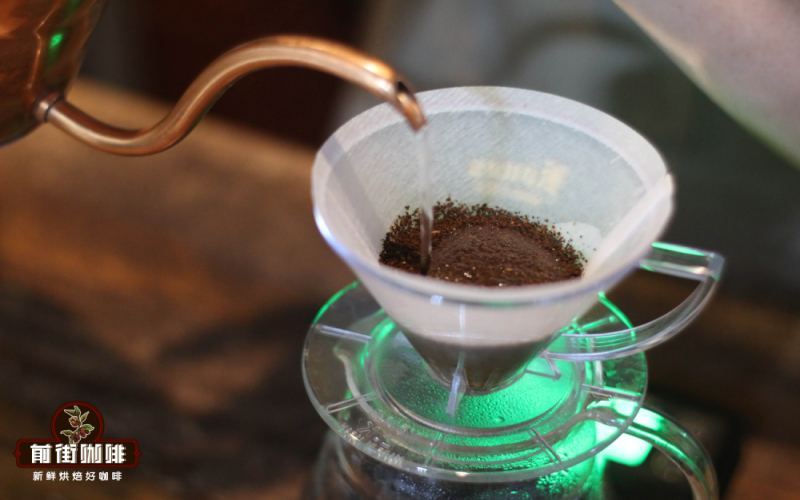
KONO dripper pour-over tutorial: from rib design to staged extraction, a detailed guide to brewing rich, full-bodied medium-dark roast coffee
With its unique short ribs and bottom convex groove structure, the KONO dripper delivers pronounced sweetness and a full-bodied mouthfeel when brewing medium-dark roasted coffee, making it the go-to device for many coffee enthusiasts. Drawing on the hands-on experience of Front Street Coffee, this article first explains the design principles and extraction logic of the KONO dripper, then uses Jamaica Blue Mountain No. 1 as an example to share in detail the coffee dose, water temperature, grind size, and multi-stage pouring technique, helping you reliably reproduce a rich, full-bodied, and layered Japanese-style pour-over coffee at home. [more…]
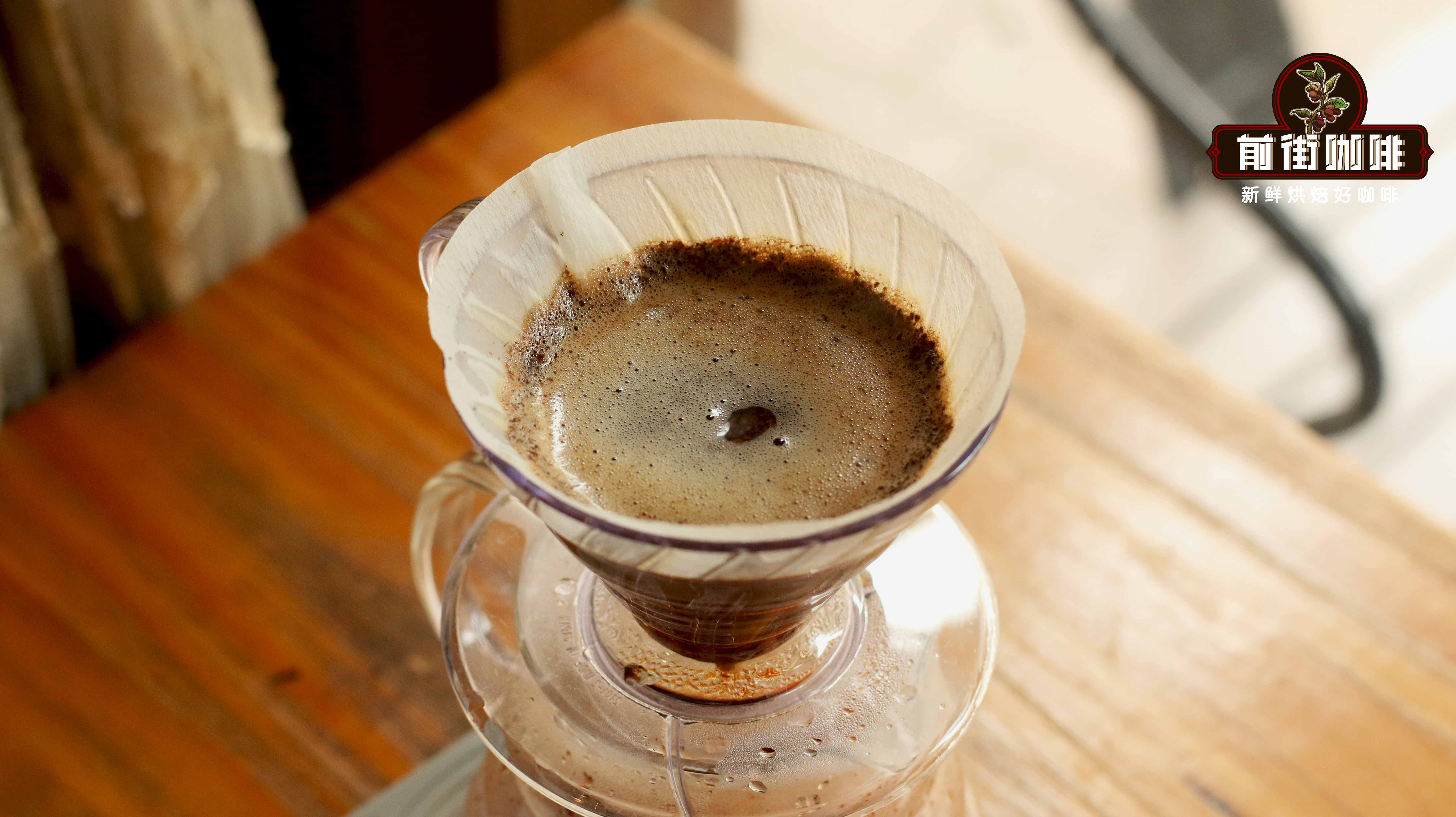
A Complete Analysis of Five Pour-Over Coffee Techniques: Detailed Parameters for One-Pour, Three-Stage, Stirring, 4:6, and Kono Methods
Pour-over coffee may seem simple, but in reality every pouring technique brings out a completely different flavor profile. Front Street Coffee's daily in-store offerings uniformly use the three-stage pour, but the baristas know well that changing the pouring height, water temperature, flow rate, or number of stages is equivalent to creating an entirely new brewing method. This article compiles five distinctive pour-over techniques—the one-pour method, the three-stage method, the agitation method (Rao's spin method), the 4-6 method, and the Kono-style method—breaking down their key operational points and suitable scenarios one by one, along with Front Street Coffee's complete brewing parameters, so that coffee enthusiasts can try them at home one by one and, through comparative tasting, find the cup that best suits their own taste. [more…]

A Complete Guide to the Kono Drip Method: From Grind Size to Pouring Rhythm, the Ultimate Pursuit of Mellow Sweetness in Dark Roast Coffee
The drip method, hailed as one of the most challenging brewing techniques in the pour-over field, was invented in 1973 by the Kono family, founders of the Kono brand. Through its unique rhythm of dripping first and then pouring, it allows dark-roasted coffee to present a fuller body and higher sweetness. This article will provide a complete analysis of every detail of the Kono-style drip method, from its origin and background, brewing principles, and equipment selection, to specific parameters and step-by-step operations. Front Street Coffee uses Sumatra PWN Golden Mandheling as an example to share the complete process and precautions of this high-concentration, low-extraction brewing method, leading you to appreciate the charm of the drip method. [more…]
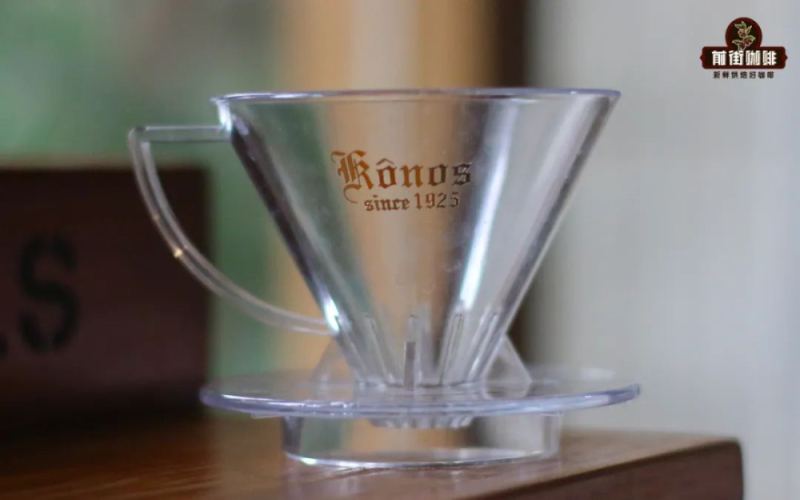
In-Depth Analysis of the KONO Meimon Dripper: Design Principles, Extraction Characteristics, and Practical Brewing Methods
Since its introduction in 1973, the KONO Meimon dripper has become a representative brewing device for Japanese-style dark roast coffee, thanks to its distinctive conical shape and semi-rib design. It mimics the extraction logic of a flannel drip, extending the contact time between grounds and water by restricting air escape, thereby delivering greater body and sweetness. Starting from the design intent and structural principles, and drawing on the hands-on experience of Front Street Coffee, this article explains grind size settings, water temperature selection, and the three-pour technique in detail, helping coffee enthusiasts master the key skills for brewing a full, rounded flavor with the KONO dripper. [more…]
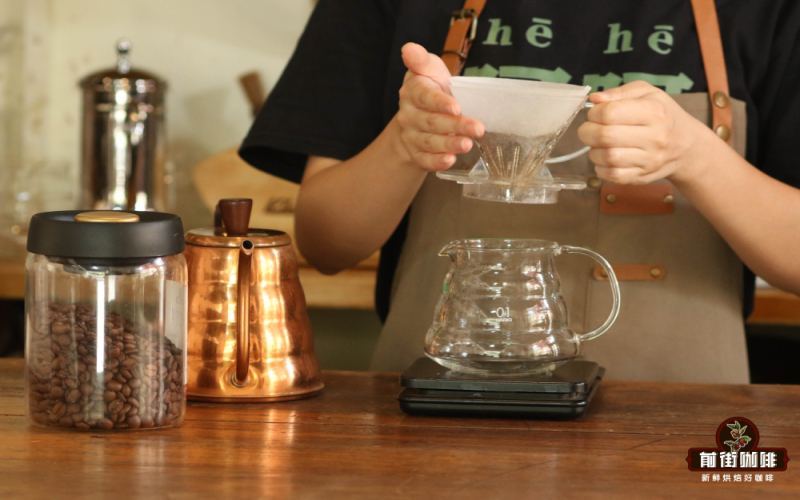
Analysis of the KONO dripper's design principles and brewing characteristics: How the short-rib structure affects extraction flavor and recommended coffee beans
As a well-known Japanese coffee equipment brand, KONO's cone-shaped dripper occupies an important position in the pour-over coffee world thanks to its unique short-rib design. Starting from the historical origins of the KONO dripper, this article takes a deep dive into how its rib structure slows the flow rate and extends the steeping time by limiting the space for air to escape, thereby improving extraction balance and body. At the same time, in response to the brewing needs of medium-to-dark roasted coffee beans, it shares the real-world parameters used at Front Street Coffee stores, including grind size, water temperature, coffee-to-water ratio, and a three-pour pouring scheme, and recommends a number of classic beans that pair well with this dripper, helping coffee enthusiasts fully master the logic of using the KONO dripper. [more…]
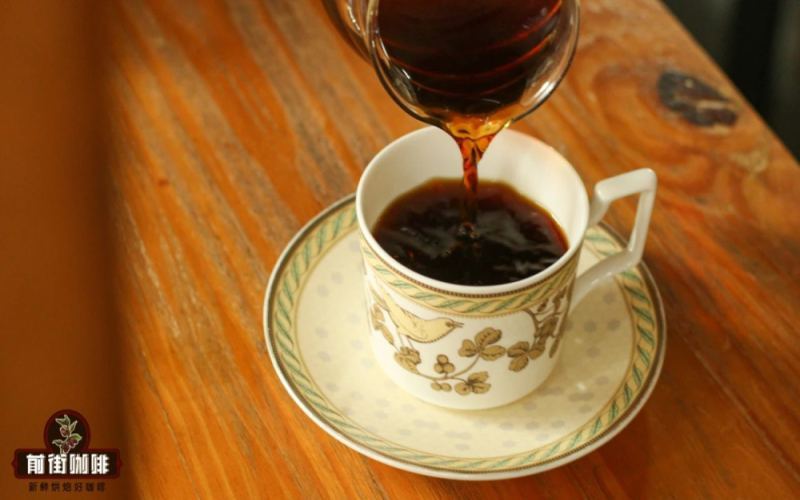
What Does Coffee Body Mean? A Comprehensive Analysis from Mouthfeel to Brewing for Choosing Full-Bodied Coffee Beans
When tasting a cup of coffee, besides focusing on flavor expression, mouthfeel is also a dimension that cannot be ignored. Flavor corresponds to taste and smell, while mouthfeel relates to the tactile experience—this is what the coffee world often calls Body. When coffee is smooth, full, and rich on the palate, it indicates excellent Body; if it feels rough, thin, or astringent, the Body is poor. The fineness of oils and fibers is the key factor determining Body quality. This article starts from the concept of Body, recommends two representative coffee beans with a rich style, and breaks down in detail the operational key points and underlying principles of Kono-style pour-over for enhancing richness, helping coffee enthusiasts better balance flavor and mouthfeel in their pour-over practice. [more…]

The origins and design features of the Hario V60 dripper, along with a detailed explanation of pour-over steps and brewing parameters
Among pour-over coffee gear, the V60 dripper is undoubtedly the most popular, and the top choice for many coffee enthusiasts just getting started. Designed by the Japanese company Hario, its clever features—a 60-degree conical shape, large drainage hole, and spiral ribs—make extraction flow rate and flavor control flexible and variable. Front Street Coffee often uses the V60 to brew light roasts, and uses the KONO dripper as a contrast for the immersion-style extraction of dark roasts. This article will sort out the V60's history and working principle, its differences from the KONO, and explain in detail the complete process from rinsing the filter paper to three-stage pouring, while also offering practical suggestions on water temperature, grind size, coffee-to-water ratio, and extraction time to help you brew a cup of coffee with rich layers more consistently. [more…]
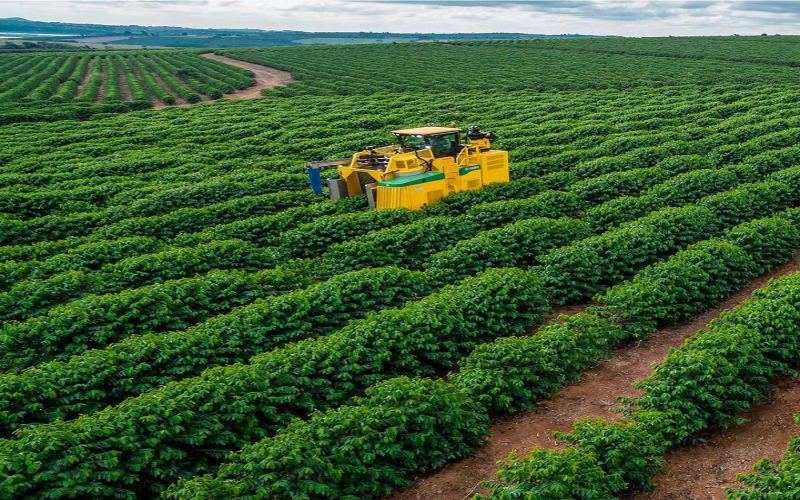
Brazil Cerrado Coffee Flavor Analysis and Pour-Over Parameters: From Bean Varieties to Kono Dripper Extraction Techniques
Brazil, as the world's largest coffee producer, has its Cerrado region, with its unique tropical savanna climate and plateau terrain, giving rise to high-quality coffee with a balanced flavor and prominent nutty and chocolate notes. From the perspective of Front Street Coffee, this article systematically reviews the distribution of Brazil's main producing regions and the evolution of its coffee varieties, with a focus on analyzing the flavor characteristics of Cerrado and the Yellow Bourbon of Queen Mogiana Estate. At the same time, drawing on the daily brewing experience of Front Street stores, it shares in detail key parameters such as water temperature, coffee-to-water ratio, and grind size for brewing Brazilian coffee with a Kono dripper, helping enthusiasts recreate a rich and smooth Brazilian pour-over at home. [more…]
What's the difference between Japanese pour-over and espresso? A comprehensive comparison from brewing methods to coffee culture
Coffee is one of the most beloved beverages in the world, and Japan and Italy have each developed distinctly different coffee systems. Japanese-style coffee is known for extremely dark roasts and gentle, delicate pouring techniques; the Kono style, Matsuya style, and volcano style each have their own characteristics, all designed around how to extract rich, deep-roasted flavors. Italian-style coffee, on the other hand, began at the port of Venice in the 16th century, and through improvements such as the steam machine and the lever machine, eventually pushed espresso to the world and made it the core of the modern coffee system. Today, Front Street Coffee takes you through brewing methods, historical origins, and drinking habits to comprehensively sort out the characteristics and differences of these two major schools. [more…]
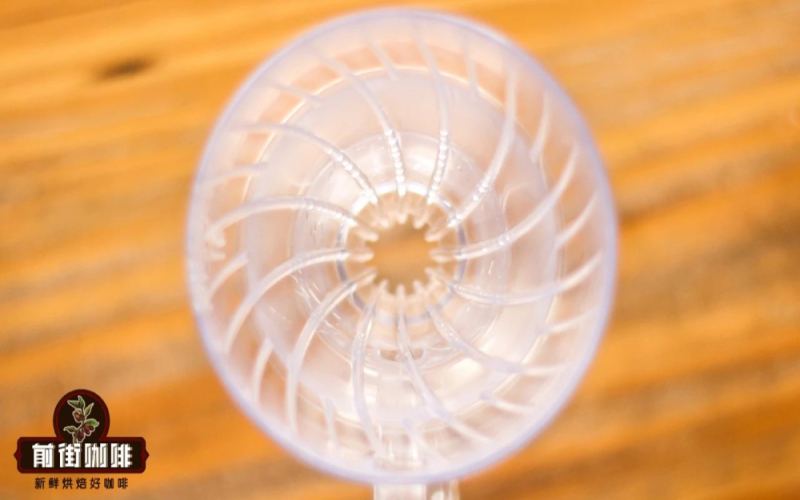
The Origins and Design Features of the Hario V60 Dripper: A Complete Guide from Brewing Principles to the Three-Pour Hand-Brew Method
In the world of pour-over coffee, the Hario V60 dripper is undoubtedly one of the most well-known devices, found in almost every pour-over café and the top choice for many enthusiasts taking their first steps into the world of pour-over. What exactly is the appeal of this classic dripper born in Tokyo, Japan? In this article, Front Street Coffee will take you back through the history of the V60, analyze how its core designs—the 60-degree cone angle, large-diameter spout, and spiral ribs—affect extraction flavor, and compare it with the KONO dripper. We will also demonstrate in detail the complete steps of the three-pour brewing method, covering key stages such as rinsing the filter paper, blooming, and staged pouring, as well as the key points for adjusting water temperature, grind size, coffee-to-water ratio, and extraction time, to help you fully unleash the potential of the V60. [more…]

Types of Black Coffee | What is Japanese-style Coffee? What Are the Japanese Coffee Brewing Methods? What Are the Differences Between Japanese-style and Italian-style Coffee?
Coffee is a beloved beverage all over the world and the most popular drink globally. When it comes to dedication to coffee, Japan undoubtedly stands out, because Japan's coffee culture has a very long history, and Japanese coffee craftsmen are also highly dedicated. As another mainstream representative, [more…]
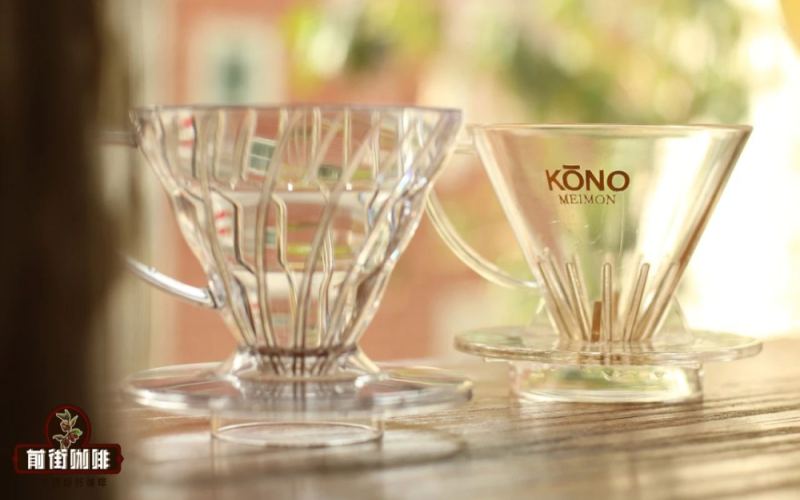
Pour-over Dripper Usage Tutorial | Which Coffee Beans Are Suitable for Brewing with the Kono Dripper? Introduction to the Kono Dripper's Extraction Principles and Coffee Flavors
The KONO dripper, like the Hario V60, is cone-shaped. The biggest difference lies in the height of the ribs. KONO has 12 ribs that are lower than those of the Hario V60, which helps with airflow during brewing and increases the efficiency of the bloom. When the KONO dripper is used together with its server, it's like [more…]
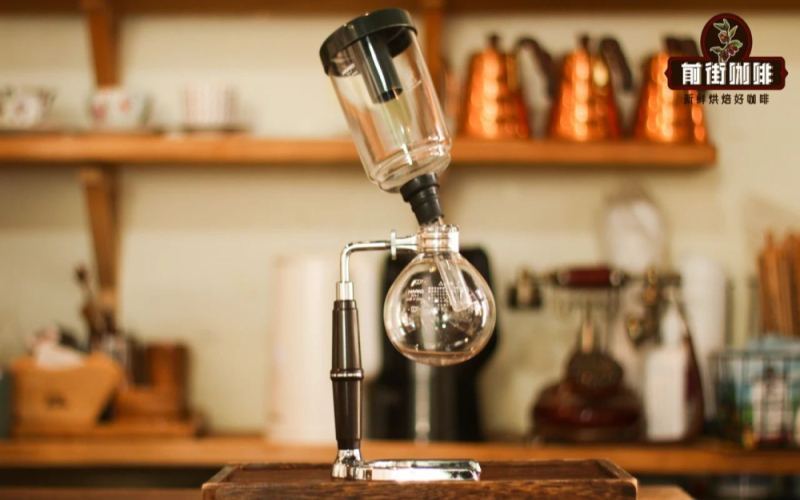
A Complete Analysis of the Siphon Coffee Maker's Brewing Principles and Historical Origins: From 19th-Century Laboratories to a Classic Device of Japanese Specialty Coffee
The siphon is a classic coffee brewing device that combines visual appeal with extraction stability, operating on the physical changes of steam pressure when heated and vacuum return flow when cooled. Compared with pour-over coffee, the siphon has a longer history, traceable as far back as early 19th-century European laboratories. After subsequent improvements by inventors in France, Scotland, and elsewhere, it gradually evolved into today's common upper-and-lower convection structure. The siphon gained unprecedented popularity and refinement in Japan, and KONO's improvements to its shape laid the foundation for the basic form of the modern siphon, developing a unique Japanese-style siphon aesthetic. Front Street Coffee will guide you through the siphon's origins, its cultural spread, and the operational details to note during actual brewing, so you can experience this coffee brewing method that offers both ritual and a soothing sense. [more…]
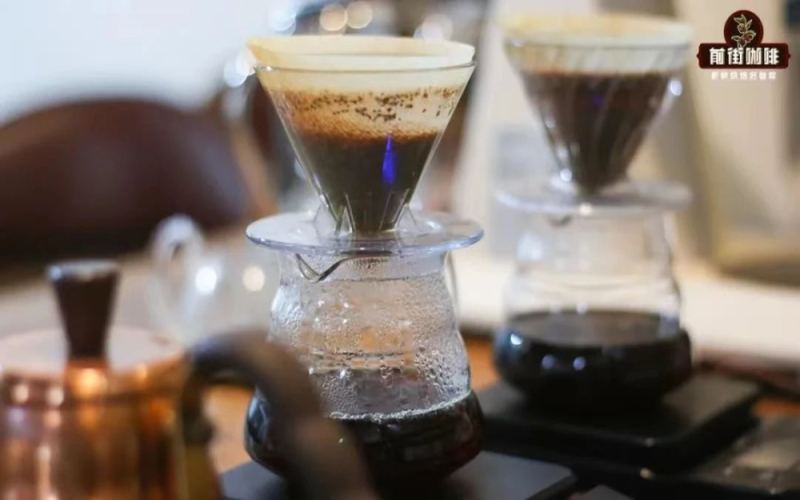
An In-Depth Analysis of the KONO Meimon Dripper: Structural Design, Suitable Bean Types, and Practical Brewing Parameters
Pour-over coffee enthusiasts often face the dilemma of choosing a dripper, as different shapes and structures directly affect extraction and flavor outcomes. As a classic representative of conical drippers, the KONO dripper stands out in brewing medium-to-dark roasted coffee beans thanks to its unique design philosophy. This article will provide a detailed explanation of the KONO dripper's origins, structural features, and extraction principles, and, drawing on Front Street Coffee's hands-on experience, share the specific parameters and techniques for brewing Front Street Indonesia Golden Mandheling with the KONO dripper. From grind size adjustment and water temperature control to the three-pour technique, we break down step by step how to bring out this dripper's strengths in body and sweetness. Whether you are a beginner just getting into pour-over or a coffee enthusiast hoping to refine your skills, you will find practical references and inspiration here. [more…]
The Origins of the Sumatran Tiger and Mandheling: Aceh Region Characteristics, Starbucks Packaging Style, and Key Brewing Points for Tiger Mandheling
Sumatra Mandheling is the representative of Indonesian coffee, and Tiger Mandheling is named after the Sumatran tiger, with both a producing-region story and rigorous selection behind it. This article starts from the Aceh producing region, sorts out the varieties, wet-hulling process, and flavor characteristics of Tiger Mandheling, and shares Front Street Coffee's roasting curve, cupping performance, and brewing parameters for the Kono dripper, helping enthusiasts understand this coffee's agarwood and pine notes and high body, while also mentioning the common origin imagery and brand associations of Starbucks Sumatra packaging. [more…]
KONO Dripper Brewing Guide: Extraction Characteristics Analysis and Medium-Dark Roast Coffee Bean Pairing Suggestions
The KONO dripper, with its distinctive rib design and slow flow rate, produces a flavor profile in coffee extraction that is completely different from the Hario V60. This article starts with the dripper's structure to explain why it is better suited to medium-dark roasted or full-bodied coffee beans, and uses the classic Front Street Golden Mandheling as an example to break down a complete brewing recipe covering dose, grind size, water temperature, and three-pour technique. Whether you want to understand the extraction logic of the KONO dripper or are looking for coffee beans to match it, this article will provide clear and practical guidance. [more…]
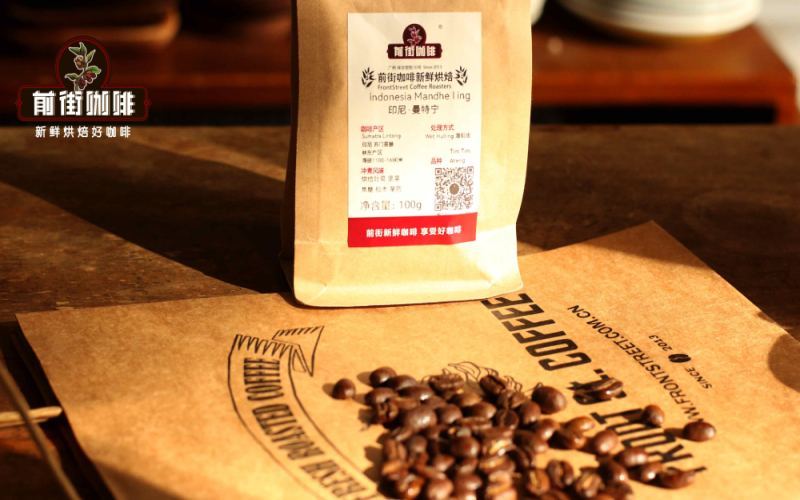
KONO dripper pour-over Front Street Golden Mandheling medium-dark roast beans: water temperature, grind parameters, and brewing approach analysis
Medium-dark roasted Mandheling has always been an irreplaceable presence in the hearts of coffee lovers, and Front Street Coffee's PWN Golden Mandheling, with its no fruit acidity, high sweetness, and rich, silky mouthfeel, has become the representative of this type of bean. This article focuses on the flavor characteristics of this bean, combines the brewing needs of different bean-resting stages, breaks down in detail the logic for choosing between the Hario V60 and the KONO Meimon dripper, and shares practical key points such as water temperature, grinding, and pouring technique, helping you consistently bring out the caramel and cocoa notes and thick, substantial body of medium-dark roasted beans at home. [more…]